
How Botox Enables Dentists to Manage Excessive Gum Display with Precision
Understanding the Aesthetic Challenge of a Gummy Smile
Excessive gum display, commonly referred to as a gummy smile, affects a considerable number of individuals who feel self-conscious about the appearance of their teeth and gums when smiling. This aesthetic concern occurs when more than three to four millimetres of gum tissue becomes visible above the upper teeth during a full smile. Whilst the condition poses no direct threat to oral health, it can significantly impact confidence and social interactions. Traditionally, treatment options ranged from invasive surgical procedures to orthodontic interventions, each carrying its own set of considerations regarding recovery time, cost, and permanence.
The landscape of cosmetic dentistry has evolved considerably over recent years, with practitioners increasingly incorporating innovative techniques to address aesthetic concerns with minimal invasiveness. Among these advancements, the application of botulinum toxin has emerged as a remarkably effective solution for managing excessive gum display. This development represents a significant shift in how dental professionals approach smile aesthetics, offering patients a non-surgical alternative that delivers predictable results with minimal downtime.
The Science Behind Botulinum Toxin in Dental Applications
Botulinum toxin works by temporarily relaxing specific muscles responsible for elevating the upper lip during smiling. When administered with precision, it reduces the extent to which the lip retracts upwards, thereby decreasing the amount of gum tissue visible when a person smiles. The treatment targets the levator labii superioris and levator labii superioris alaeque nasi muscles, which play crucial roles in lip elevation. By carefully controlling the degree of muscle relaxation, practitioners can achieve subtle yet transformative improvements in smile aesthetics.
Dental professionals who offer Botox Tunbridge Wells treatments undergo specialised training to understand facial anatomy and injection techniques specific to oral and perioral applications. This expertise ensures that treatments are administered safely and effectively, with outcomes tailored to each patient’s unique facial structure and aesthetic goals. Research into the efficacy of botulinum toxin for gummy smile correction has demonstrated high patient satisfaction rates and reproducible results when performed by qualified practitioners.
Advantages of Non-Surgical Gum Display Management
Precision and Predictability
One of the most compelling benefits of using botulinum toxin for excessive gum display is the remarkable precision it offers. Unlike surgical interventions that permanently alter tissue or bone structure, this approach allows for controlled, reversible modifications. Practitioners can fine-tune dosages and injection sites to achieve the desired aesthetic outcome whilst maintaining natural facial expressions and functions.
Minimal Downtime and Recovery
Patients appreciate the convenience of botulinum toxin treatments, which typically require only fifteen to twenty minutes to complete. Unlike surgical procedures that may necessitate extended recovery periods and potential complications, this non-invasive approach allows individuals to resume normal activities immediately following treatment. The effects become noticeable within three to five days, with optimal results appearing after approximately two weeks. This swift transformation appeals to those seeking improvements without disrupting their professional or personal commitments.
Reversibility and Flexibility
The temporary nature of botulinum toxin treatments provides patients with flexibility that permanent procedures cannot offer. Results typically last between three to six months, allowing individuals to assess their satisfaction with the outcome before committing to maintenance treatments. This reversibility proves particularly valuable for those exploring cosmetic dental enhancements for the first time, as it removes the anxiety associated with irreversible alterations to one’s appearance.
The Clinical Process and Patient Experience
The journey towards managing excessive gum display begins with a comprehensive consultation where dental professionals evaluate facial proportions, muscle activity, and the extent of gum visibility. Clinical studies examining gummy smile treatment outcomes emphasise the importance of thorough assessment in achieving optimal results. During this evaluation, practitioners discuss realistic expectations and determine the most appropriate treatment plan tailored to individual needs.
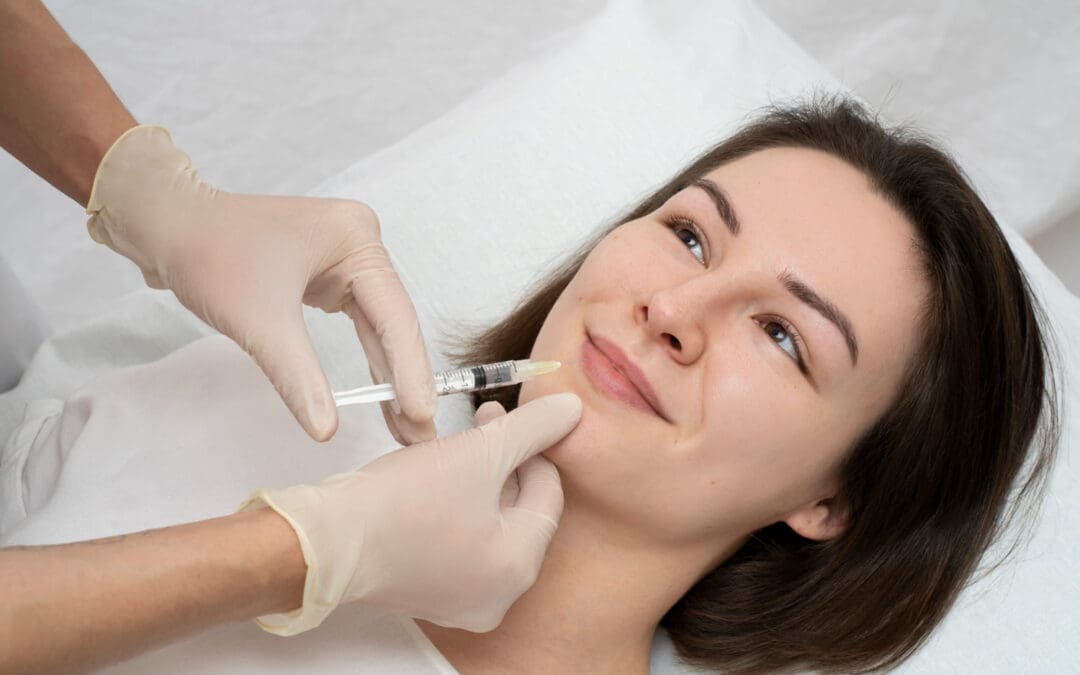
The actual treatment involves strategically placed injections using fine needles to minimise discomfort. Most patients report only mild sensations during the procedure, with topical anaesthetic available for those with heightened sensitivity. Post-treatment care instructions are straightforward, typically advising patients to avoid strenuous exercise for twenty-four hours and to refrain from rubbing the treated area.
Expanding Horizons in Cosmetic Dentistry
The integration of botulinum toxin into dental practice represents a broader trend towards comprehensive aesthetic care within the dental profession. The expanding applications of botulinum toxin in dentistry demonstrate how practitioners are embracing multifaceted approaches to patient care. Beyond managing excessive gum display, dental professionals utilise these techniques for addressing temporomandibular joint disorders, bruxism, and various other functional and aesthetic concerns.
This evolution reflects a growing recognition that oral health and facial aesthetics are intrinsically connected. By offering advanced treatments for conditions like gummy smiles, dental practitioners provide patients with accessible solutions that enhance both appearance and confidence, all whilst maintaining the highest standards of clinical care and patient safety.